

 See My Latest Article on HelloNation
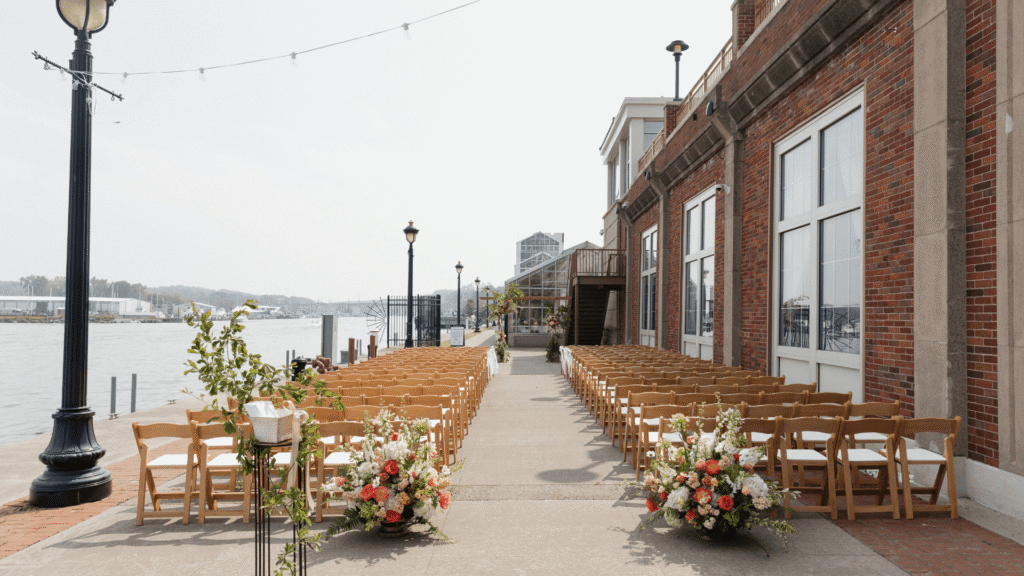
A wedding theme works best when it feels connected to the setting rather than placed on top of it. The right venue should support the mood, colors, guest experience, and practical needs of the celebration without forcing every detail to compete for attention.
For couples in Rochester, NY, venue selection also involves seasonal weather, older and newer building styles, travel distances, and the differences between urban, rural, waterfront, and residential surroundings. A thoughtful match begins with the overall feeling the wedding should create, then tests whether a venue can support that feeling in real conditions.
What should be decided before touring venues?
Start with the atmosphere, not the decorations. A theme can be described through a few clear words, such as refined, relaxed, dramatic, garden-inspired, modern, rustic, vintage, or minimalist.
It also helps to identify what the theme is not. For example, a couple may want an elegant celebration without a formal ballroom, or a rustic look without an overly casual setting.
Before visiting a venue, define:
- The desired mood and level of formality
- Whether the event should feel indoor, outdoor, or both
- Preferred colors and materials
- The likely guest count
- The season and approximate date
- Whether the ceremony and reception will occur in the same place
- Which visual elements matter most, such as architecture, landscaping, lighting, or table design
This short list creates a practical filter. A venue may be attractive on its own but still be a poor fit if its layout, lighting, or rules conflict with the intended experience.
How does the venue’s architecture affect the theme?
The building itself often becomes the largest design element at the wedding. Architectural features such as exposed wood, stone walls, tall windows, columns, polished floors, or industrial materials can either strengthen the theme or create visual tension.
For a classic or formal wedding, look for balanced proportions, controlled lighting, clear sightlines, and finishes that do not require extensive disguising. A modern theme may work well with open floor plans, simple surfaces, strong geometry, and limited visual clutter.
A garden-inspired or nature-focused celebration needs more than floral centerpieces. Natural light, outdoor views, seasonal plantings, or direct access to a landscaped area can make the theme feel authentic. If the venue has no meaningful connection to the outdoors, the same theme may require more rental décor and setup time.
A rustic concept can suit timber details, farm-style structures, brick, or natural textures. However, a rustic theme can feel mismatched in a highly polished space unless the décor is carefully restrained. Similarly, a minimalist theme may be overwhelmed by ornate architecture, patterned carpeting, or heavy permanent décor.
During a tour, photograph the room from several guest perspectives. Pay attention to what appears in the background of ceremony photos, head-table photos, and dancing photos. A feature that seems charming up close may dominate every picture from across the room.
Can a venue match a theme without extensive decoration?
Yes. The strongest venue matches usually need enhancement rather than transformation. If the room already supports the desired mood, decorations can focus on details such as flowers, linens, stationery, candles, or personal elements.
A venue may require more decoration when:
- The walls, floors, or ceilings strongly conflict with the color palette
- Permanent furniture or fixtures cannot be moved
- The lighting is too bright, too dim, or heavily colored
- The room is much larger than the guest count requires
- Outdoor areas are unavailable for a theme based on gardens or natural scenery
- The ceremony space and reception space create noticeably different moods
Ask whether the venue’s existing elements can remain visible and still fit the design. Covering walls, changing lighting, adding rentals, or building decorative structures can affect both the budget and the schedule.
It is also useful to separate “theme” from “decorative style.” A theme may be based on a season, family tradition, travel interest, or shared hobby. The venue does not need to reproduce that subject literally. Instead, its architecture and layout should provide a compatible foundation.
Which venue details matter most for a seasonal wedding?
Seasonal conditions should influence the venue decision, especially in Rochester. Winter celebrations require dependable heated indoor areas, safe walking surfaces, coat storage, and a plan for snow or freezing conditions. A beautiful outdoor setting is less useful if guests must spend significant time moving between buildings in cold weather.
Spring and fall can offer attractive natural scenery, but weather may change quickly. Ask whether outdoor photographs, ceremonies, or cocktail hours can move indoors without a major disruption. Covered walkways, sheltered patios, and nearby indoor rooms can be valuable even when the forecast looks favorable.
Summer themes should be evaluated for shade, airflow, cooling, insect management, and the comfort of guests in formal clothing. Large windows and outdoor views may be appealing, but direct afternoon sun can affect temperatures, photographs, and the visibility of screens or speeches.

A theme built around seasonal colors should not depend entirely on outdoor conditions. Confirm what the venue looks like inside at the actual time of day when the ceremony and reception are expected to occur.
How should the layout support the guest experience?
A theme feels more convincing when guests move naturally through the event. The venue should provide a logical relationship among the entrance, ceremony area, cocktail space, dining tables, dance floor, restrooms, and exits.
For a relaxed celebration, a connected layout can encourage conversation and movement. For a formal event, a more structured arrangement may help create a sense of occasion. A dramatic theme may benefit from a controlled entrance or a room that reveals itself gradually.
Consider the following practical questions:
- Will guests know where to go after the ceremony?
- Is there enough space for dining tables and dancing without crowding?
- Can older guests or guests with mobility limitations move comfortably?
- Are restrooms easy to find but not visually prominent?
- Will music, speeches, or other activities be heard throughout the room?
- Is there a quiet area for guests who need a break from noise?
- Can vendors load in without crossing through guest areas?
A venue may look ideal while empty but feel very different once tables, chairs, entertainment equipment, gifts, coats, and service areas are added. Request a floor plan and test it against the expected guest count.
What should couples ask about venue restrictions?
Venue policies can determine whether a theme is realistic. Ask about candles, hanging décor, open flames, confetti, fog effects, amplified music, outdoor installations, specialty rentals, and the use of adhesives or fasteners on walls.
Some venues limit outside décor, require specific setup methods, or restrict the length of the decorating period. Others may have rules related to noise, parking, occupancy, alcohol service, or outdoor event hours.
These policies are not minor details. A theme that depends on suspended greenery, large floral structures, live flame, or a late-night outdoor gathering may need to be adjusted if the venue cannot safely or legally accommodate it.
Also ask whether the venue provides tables, chairs, basic lighting, heating, climate control, or other infrastructure. Included items can influence the visual style and reduce the number of separate elements needed to create the desired atmosphere.
How can a couple tell whether a venue truly fits?
Use a simple comparison method after each tour. Rate the venue on visual compatibility, guest comfort, layout, seasonal reliability, policy flexibility, and the amount of transformation required.
The best match is not always the most dramatic room. It is often the place where the theme feels natural, guests can move comfortably, and the décor supports the setting instead of hiding it.
Before making a decision, view the space at the expected ceremony time if possible. Notice the natural light, temperature, background sounds, parking conditions, and appearance of nearby outdoor areas. A venue that works beautifully at midday may feel entirely different in the evening or during a winter event.
The final question is straightforward: if most decorations were removed, would the venue still create the right emotional setting? If the answer is yes, the theme and the space are probably working together rather than competing.