

 See My Latest Article on HelloNation
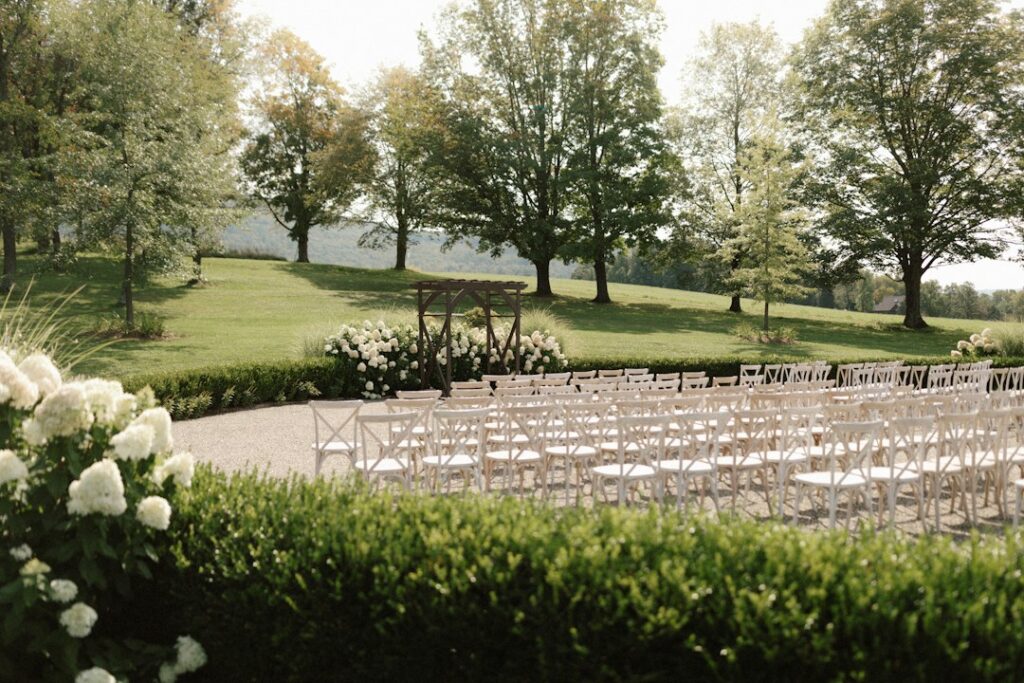
A wedding venue affects far more than the ceremony backdrop. Its amenities shape guest comfort, the timing of the day, the work required from the wedding party, and how smoothly the event handles weather, accessibility, food service, and last-minute changes.
For couples planning in Rochester, NY, the most useful approach is to separate attractive extras from practical features. A venue does not need every possible amenity, but it should provide the spaces, equipment, and policies that match the size, season, and style of the celebration.
Which spaces should a wedding venue provide?
A well-planned venue should offer clearly defined spaces for the ceremony, reception, preparation, and transitions between major parts of the day. These spaces do not always need to be separate buildings, but their intended uses should be clear.
Look for:
- A ceremony area with suitable seating, sightlines, and sound coverage
- A reception space large enough for tables, a dance floor, food service, and comfortable movement
- A private room or suite for getting ready
- A separate area where the wedding party can take a break during photographs or transitions
- Restrooms that are easy for guests to locate without interrupting the event
- A secure place for cards, gifts, personal items, and vendor equipment
Ask how the spaces function at the same time. A venue may appear spacious during a tour, but a room can feel crowded once dining tables, a buffet, a bar, a DJ setup, and a dance floor are added.
The getting-ready area deserves particular attention. It should have adequate seating, mirrors, outlets, lighting, climate control, and enough room for clothing, bags, and personal belongings. If the ceremony and reception occur in the same room, ask who resets the space and how long that transition takes.
What should the venue offer for changing weather?
Weather planning is essential for weddings in Rochester, NY, where rain, wind, cold temperatures, and sudden seasonal changes can affect outdoor plans. A venue should have a realistic indoor backup plan rather than relying on a vague promise that an alternative space exists.
A useful backup plan should answer several questions:
- Where will the ceremony move if outdoor conditions are unsuitable?
- Can the reception remain indoors if guests are already seated?
- Is there enough covered space for an outdoor cocktail hour?
- What happens if rain or wind affects photographs?
- Are walkways maintained and reasonably safe in wet, icy, or snowy conditions?
- Is heating or air conditioning available where guests will gather?
A tent can provide shelter, but it may require flooring, lighting, heating, cooling, power, and additional setup time. Confirm whether those elements are included, available through the venue, or the responsibility of outside vendors.
Seasonal comfort also involves the arrival experience. Covered entrances, accessible paths, coat storage, and a place for wet umbrellas can make a noticeable difference during colder or wetter months.
How important are tables, chairs, linens, and basic equipment?
Included furniture and equipment can simplify planning, but the specific inventory matters more than the word “included.” Ask for details about the quantity, style, condition, and setup responsibilities.
Important items may include:
- Guest tables and chairs
- Ceremony seating
- Head table or sweetheart table
- Cocktail tables
- Basic linens
- Plates, flatware, glassware, and serving pieces
- Dance floor
- Staging or risers
- Easels, coat racks, and waste containers
A venue may provide chairs for the reception but not for the ceremony. It may also have enough tables for a small dinner but not enough for a large guest count with assigned seating. Confirm whether staff place and remove these items or whether the rental team, caterer, or wedding party must handle them.
Check the layout options as well. Round tables, long banquet tables, and mixed arrangements use space differently. The venue should be able to explain how many guests fit comfortably under each setup.
What food and beverage amenities should be evaluated?
Food service is one of the largest operational parts of a wedding, so the venue should have a practical plan for preparation, storage, serving, and cleanup. This is true whether the venue provides food or permits outside catering.
Ask whether the facility has:
- A prep kitchen or warming area
- Refrigeration and freezer space
- Ice access
- Adequate electrical outlets
- A dishwashing area
- Space for buffet lines or plated service
- A location for cake storage and cutting
- A bar area that does not block guest traffic
- Waste and recycling procedures
Clarify whether outside food is permitted, whether there are restrictions on caterers, and who handles cleanup. Some venues provide only the room, while others include tables, service equipment, kitchen access, or staff support.
Dietary accommodations should be discussed early. The venue should be able to explain how vegetarian, vegan, gluten-free, allergy-sensitive, and children’s meals can be identified and served safely. A decorative kitchen may not function as a full commercial prep space, so do not assume that every food request can be handled on site.
What technology and power features are necessary?
Reliable power, sound, lighting, and internet access can affect the ceremony and reception more than decorative details. The venue should provide clear information about its electrical capacity and equipment rules.
Useful amenities include:
- A sound system or dependable connection points for microphones
- Enough power for entertainment, catering, lighting, and photo equipment
- Safe, accessible outlets
- Adjustable house lighting
- Strong indoor and outdoor lighting for pathways and entrances
- A suitable location for a DJ, band, or speakers
- A backup plan for a power interruption

Ask whether the venue has noise limits, end times, or restrictions on amplified music. These policies can affect the reception schedule, especially if setup and breakdown must happen within narrow hours.
Internet access is helpful for administrative needs, digital guest books, payment systems, and limited live sharing, but it should not be treated as a substitute for a reliable event sound system.
How should accessibility and guest comfort be assessed?
Accessibility should be evaluated as part of the venue’s basic function, not as an optional feature. Guests may have mobility limitations, hearing or vision needs, temporary injuries, pregnancy-related limitations, or young children with strollers.
Check for:
- Step-free routes to the ceremony, reception, restrooms, and dining areas
- Accessible parking or drop-off access
- Doorways and aisles wide enough for mobility devices
- Restrooms with accessible stalls
- Seating options near exits or along clear routes
- Good lighting on walkways and stairs
- Minimal changes in floor level
- A quiet area for guests who need a break from noise
Also consider ordinary comfort. Adequate ventilation, temperature control, seating during cocktail hours, coat storage, and clean restrooms can shape the guest experience more than highly visible decorations.
What transportation, parking, and overnight considerations matter?
Parking should be assessed based on the actual guest count, not only the size of the lot. Determine whether spaces are paved, well-lit, clearly marked, and usable in poor weather. Ask about overflow parking, shuttle access, rideshare drop-off, and policies for guests who should not drive after drinking.
If the venue is located in a dense area, confirm how guests will find the entrance and where vehicles may stop briefly. If it is in a more spread-out setting, consider walking distances between parking and the event space.
The venue does not need to provide lodging, but couples should understand whether guests can leave safely and easily at the end of the evening. Transportation planning may be especially useful for winter events, late receptions, and celebrations with an open bar.
Which policies should be treated as part of the amenities?
Policies determine how usable the physical amenities really are. Ask about access hours, setup and breakdown windows, decorating restrictions, candle use, confetti, pets, outside vendors, alcohol service, minors, noise, and cleanup.
Also confirm:
- Whether rehearsal access is available
- How early vendors may arrive
- Who moves furniture
- Where deliveries are received
- Whether storage is available between setup and the event
- What happens if the guest count changes
- Which areas are off-limits
- What the venue does during emergencies or severe weather
A venue with fewer decorative features may be a better fit if it offers dependable access, clear procedures, comfortable spaces, and a workable weather plan. The most valuable amenities are usually the ones that reduce confusion, protect guest comfort, and keep the day moving according to schedule.