

 See My Latest Article on HelloNation
What Does True Accessibility Mean for Wedding Venues?
True accessibility means all guests, regardless of ability, age, or circumstance, can comfortably participate in an event. For a wedding venue in Rochester, NY, this goes beyond wheelchair ramps or ADA compliance. It involves evaluating every aspect of the guest experience—from arrival and parking to seating, bathrooms, and sensory comfort—so everyone feels included.
Are Accessible Entrances Enough?
While accessible entrances are essential, they are just the start of genuine inclusion. Many venues have at least one step-free entry, but full accessibility considers:
- Smooth walkways and automatic doors
- Clear, well-lit pathways from parking to entry
- Surfaces maintained year-round, especially during Rochester's winter months to prevent icy or snow-blocked routes
- Doorways wide enough for wheelchairs, walkers, or strollers—and without heavy doors
Often overlooked, small barriers such as single steps, tight corners, or uneven walkways can make arrival difficult for those with mobility devices or for older guests.
How Should Accessible Restrooms Be Designed?
A venue is not genuinely accessible if guests struggle to reach or use restrooms. Accessible facilities are more than just an ADA symbol on the door. They should include:
- At least one stall with grab bars and plenty of turning space
- Sinks, soap, and towel dispensers at an appropriate height for wheelchair users
- An entrance wide enough for easy access, without tight turns or heavy push doors
In Rochester's older buildings, bathrooms may be tucked in basements or upper floors. For these cases, an elevator or alternate accessible restroom on the main level makes a difference for many guests.
What About Parking and Drop-off Options?
For venues in Rochester, convenient and safe parking is crucial year-round, especially in winter when snow and ice are common. Considerations should include:
- Clearly marked designated accessible parking spaces close to the main entry
- Well-maintained, level surfaces regularly cleared of snow or debris
- Safe drop-off zones for guests who use assistive devices or those who need more time to exit vehicles
The layout and maintenance of outdoor areas affect everyone's experience, not just those with extra mobility needs.
Is Seating Arranged for Everyone’s Comfort?
Accessible seating means more than a few reserved spaces. Seating strategies should allow guests who use wheelchairs, walkers, or other assistive tools to be integrated with their party—instead of isolated to the back or edge. Practical approaches include:
- Removing chairs at some tables to accommodate wheelchairs
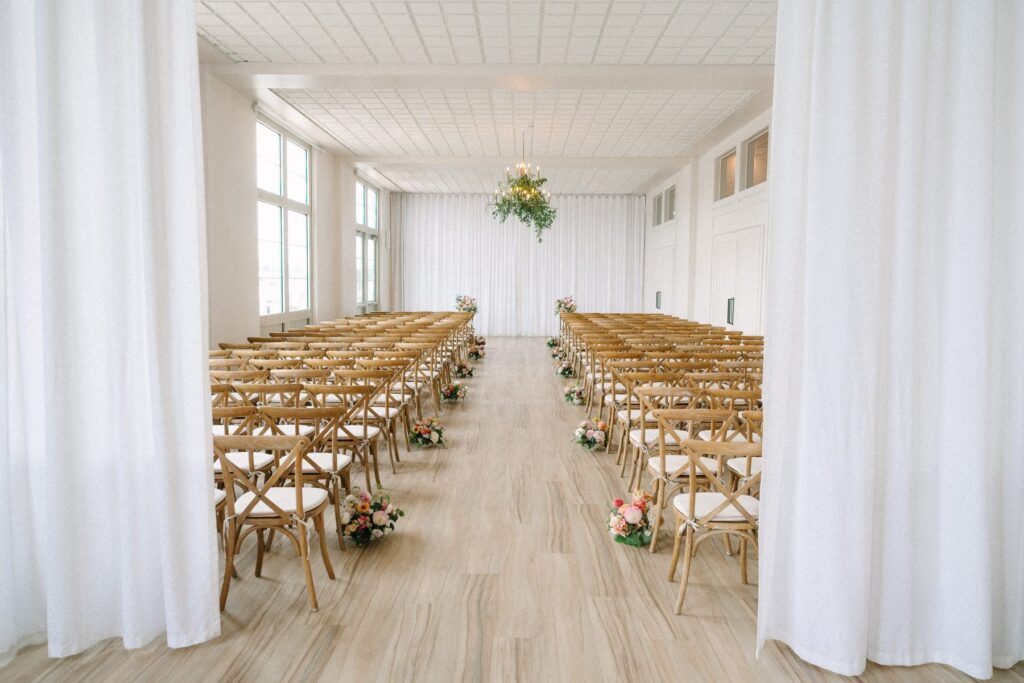
- Ensuring there’s sufficient space between rows or tables for easy movement
- Allowing flexible arrangements for guests with visual, auditory, or sensory needs (for example, positioning for lip reading or interpreters)
Comfortable seating options benefit many people, including pregnant individuals, older adults, and those with chronic pain.
How Can Sensory and Communication Needs Be Addressed?
Accessibility is not just about mobility. Guests with hearing or vision loss, autism, or chronic medical conditions can have specific needs at events. Helpful features include:
- Clear audio systems or microphone use, especially during ceremonies
- Good lighting—not just for beauty, but for clear sight and for guests who read lips or need visual cues
- Signage with large, high-contrast print
- Minimizing potential triggers for those with sensory sensitivities (for example, providing quiet spaces or minimizing flashing lights)

Consideration for invisible disabilities often separates truly inclusive venues from those that meet only the legal minimum.
Are Outdoor Spaces Actually Usable for All?
In Rochester's seasonal climate, outdoor areas may be affected by mud, snow, or uneven ground. For outdoor ceremonies or receptions, review:
- Whether paths are solid and wide enough for wheels or those unsteady on their feet
- That outdoor ramps are present and maintained
- Accessible seating and shade options
- Winter-proofing, such as entry mats and de-icing protocols for ramps and steps
Without these, outdoor areas can become off-limits for guests with mobility impairments or those sensitive to temperature extremes.
What Are the Most Overlooked Accessibility Barriers?
Several factors are often missed, yet make a significant difference:
- Lighting: Dim or dramatic lighting that creates shadows can make navigation hazardous.
- Surfaces: Deep rugs, gravel, loose stones, or steps at transitions need to be considered.
- Signage: Poorly placed or small signage makes wayfinding difficult.
- Audio: Relying only on verbal directions or announcements, which can exclude guests with hearing loss.
- Service Animals: Not all venues are prepared for guests who use service animals—providing space and water for these essential helpers is part of thoughtful planning.
Recognizing and addressing these details supports comfort and inclusion through the entire event.
How Can Planners and Residents Assess a Venue’s Accessibility?
A visual inspection can be revealing, but relying solely on a checklist may not catch everything. When evaluating a venue:
- Test all routes from parking to seating, imagining negotiating them in a wheelchair, with a stroller, or unsteady on foot
- Ask about hidden obstacles, seasonal risks (like icy sidewalks), and staff training in accessibility awareness
- Consult directly with guests who have known mobility or sensory needs, as their lived experiences provide crucial insights
Understanding these aspects can help couples in Rochester, NY select or adapt a venue so that everyone—regardless of circumstances—can join in the celebration comfortably and safely.