

 See My Latest Article on HelloNation
What Does a Sustainable Wedding Look Like in Rochester, NY?
A sustainable wedding in Rochester, NY focuses on minimizing environmental impact while maintaining a meaningful celebration. Local residents often ask what it means to plan an eco-conscious event. In practice, it's about thoughtful choices regarding materials, food, waste, and energy, balanced with the realities of hosting in upstate New York’s climate.
These weddings typically feature:
- Locally sourced flowers and foods to reduce transportation emissions
- Digital invitations or recycled paper for stationery
- Decoration reuse and donation, with minimal single-use plastics
- Transportation planning to cut down on unnecessary travel
For area venues, the region’s four-season climate, access to farms, and proximity to the Finger Lakes influence available options throughout the year.
How Can Couples Reduce Waste Before, During, and After the Event?
Preventing excess waste takes planning, including before and after the celebration. The majority of waste at weddings comes from decorations, unused food, packaging, and disposables.
Residents can:
- Use digital RSVPs and wedding websites to reduce paper use
- Opt for rental décor and tableware to avoid single-use items
- Ask the venue if composting and recycling bins are available and clearly marked
- Arrange food donations or leftovers pickup with local food rescue organizations, when permitted
Many venues in the city allow outside décor and custom setups. Consider upcycled or rented items and prioritize reusing or donating items after the event, rather than sending them to the landfill.
Which Local and Seasonal Foods Are Best for a Greener Menu?
Selecting seasonal and regional foods helps reduce the carbon footprint. Rochester is surrounded by farms, orchards, and dairies that supply a variety of produce year-round. In spring and summer, menus can feature greens, berries, tomatoes, and stone fruits. Fall brings apples, squash, pumpkins, and root vegetables. Sustainable seafood from Lake Ontario may also be available.
Even during winter, root vegetables, preserved foods, and greenhouse-grown greens are popular choices for area residents. Choosing a menu based on local harvest cycles not only supports area farmers but also enhances flavor and freshness. Plant-based and vegetarian options generally require fewer resources than meat-heavy menus.
How Can Transportation and Guest Travel Be Made More Sustainable?
Transportation-related emissions represent a significant share of a wedding’s environmental impact. In the Rochester area, most guests travel by car, and event sites can be spread out. Reducing overall travel can be achieved by holding the ceremony and reception at a single venue, or by choosing a central location easily reached by public transit.
Other practical options:
- Encourage carpools among guests from the same neighborhood
- Arrange group transport such as shuttles, especially for larger events
- Offer virtual streaming for guests who cannot attend, reducing travel needs
When hosting during winter, remind guests of local weather and encourage proper planning for snowy or icy conditions to minimize emissions from last-minute additional vehicles.
What Are Some Locally Relevant Decoration and Floral Practices?
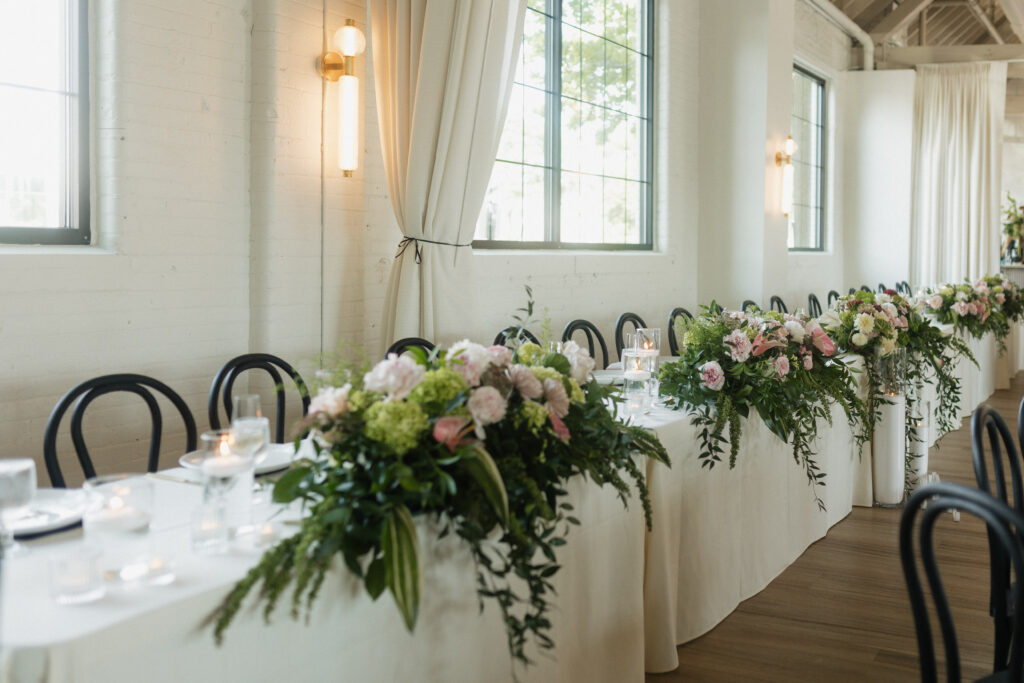
Rochester’s agricultural setting allows for creative floral and décor options. Couples can prioritize flowers grown seasonally in the region or work with growers that offer chemical-free and low-waste harvests. Dried arrangements and potted plants are suitable alternatives that can be replanted or used at home after the event.

Tips include:
- Use wildflowers or greenery from local farms (with proper permission)
- Repurpose ceremony flowers for reception centerpieces
- Avoid balloons, confetti, or glitter, all of which are difficult to clean up and recycle in local facilities
Renting or borrowing larger décor items—such as arches, lighting, and backdrops—cuts down on waste and is common in the city’s venues. Donations of leftover decorations to local schools or community centers are another way some residents minimize disposal.
How Can Energy Use Be Minimized at Local Venues?
Energy efficiency is a growing concern, especially with the range of seasons experienced by the community. Summer events may require air conditioning, and winter weddings may need additional heating. Daytime ceremonies make the most of natural light and require less artificial lighting, even in the cloudier months.
Options include:
- Holding events earlier to maximize daylight
- Discussing LED lighting or smart thermostats with the venue
- Encouraging outdoor ceremonies in temperate months to reduce building energy needs
Historic venues in the region may not be as energy efficient as modern structures, but small changes often add up, such as turning off unused lights or avoiding energy-intensive décor.
Are There Sustainable Favors or Gifts That Fit Local Traditions?
Traditional wedding favors and gifts often produce waste or are quickly discarded. Instead, practical or edible gifts are welcomed by local residents. Ideas include packets of wildflower seeds, locally made soaps, small potted herbs, or donations to area organizations instead of physical favors.
Personalized edible gifts—like honey jars, maple syrup, or locally roasted coffee—reflect the region’s resources and are likely to be used rather than tossed. When choosing physical items, select reusable, recyclable, or compostable packaging.
Common Misconceptions About Sustainable Weddings in the Area
Some area residents worry that sustainability always means higher costs or less attractive weddings. While organic or specialty products sometimes cost more, many sustainable choices—such as reduced guest lists, simpler menus, and reused décor—often lower expenses.
Others assume that sustainable options are less convenient or overly restrictive. In reality, most local venues are increasingly supportive of custom décor, creative menus, and flexible setups that align with sustainability goals. Communicating clearly with venue staff and understanding local waste and recycling programs helps set realistic expectations for what is possible in Rochester’s event spaces.