
 See My Latest Article on HelloNation
What makes a micro wedding different from a traditional wedding?
A micro wedding usually includes a smaller guest list, often fewer than 50 people, while still keeping many familiar wedding elements such as a ceremony, meal, photographs, and a planned reception. The smaller format can make the day feel more personal, but it still requires careful coordination.
The main difference is not simply the number of guests. A smaller wedding often changes how the venue is used, how the schedule is structured, and how the budget is allocated. With fewer people, couples may have more flexibility to choose a meaningful setting, spend more time with each guest, or include details that would be difficult at a larger event.
For Rochester, NY couples, a micro wedding can also be practical during seasons when travel, snow, rain, or changing temperatures affect plans. A venue with comfortable indoor space and a clear backup plan can reduce weather-related stress.
How should the guest list be created?
The guest list should be decided before selecting a venue, because the number of attendees affects room size, seating layout, food service, parking, and overall atmosphere.
Start by identifying the people whose presence is essential. Couples often find it useful to separate the list into three groups:
- Immediate family and closest friends
- Guests who have a significant history with both partners
- Additional relatives, coworkers, or social contacts
A micro wedding works best when the guest count reflects the intended experience. Inviting 25 people to a room designed for 150 may make the gathering feel visually sparse. On the other hand, placing 45 guests in a space intended for 20 can make dining, conversation, and movement uncomfortable.
Set a firm guest-count limit before sending save-the-dates or invitations. Be clear about whether children, plus-ones, and ceremony-only guests are included. Ambiguity can create difficult conversations later, particularly when the venue has a strict maximum capacity.
What should be considered when choosing a venue?
The right venue should match the size, timing, and priorities of the celebration rather than simply offering an attractive room. Ask how the space feels with the planned number of guests seated at tables, standing during a reception, or gathered for the ceremony.
Important questions include:
- Is the ceremony held in the same room as the meal?
- Can guests move easily between ceremony, dining, and reception areas?
- Is there a comfortable waiting area before the ceremony?
- Are restrooms accessible and conveniently located?
- Does the venue provide tables, chairs, linens, or basic setup?
- Are outside food, desserts, music, or décor permitted?
- What time can the wedding party enter for preparation?
- How late can the event continue?
- What happens if severe weather affects transportation or outdoor plans?
A smaller guest list does not always mean a smaller physical space is best. A room with flexible seating can accommodate a ceremony, meal, and dancing without requiring guests to move through several areas. A venue that feels appropriately scaled will usually create a warmer atmosphere than one designed for a much larger gathering.
How can the ceremony and reception fit together?
A micro wedding often benefits from using one primary space for most of the day. This reduces guest movement and makes the schedule easier to manage.
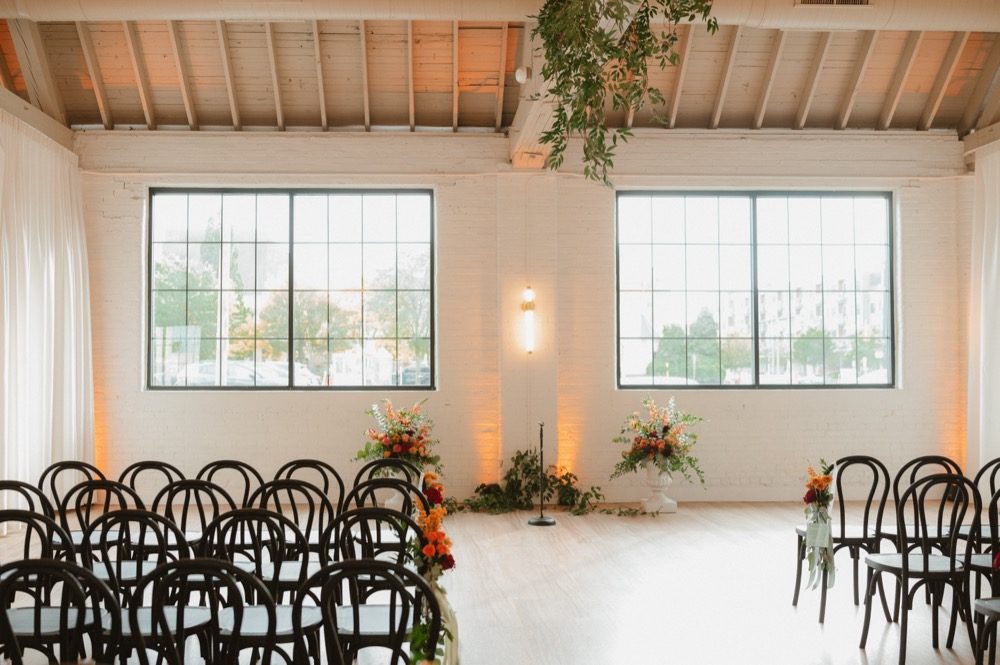
The ceremony can be arranged with chairs facing a central focal point. Afterward, guests may move to a nearby area for drinks while the room is adjusted for dining. In some venues, the ceremony layout can remain in place and be incorporated into the reception design.
If the same room serves multiple purposes, confirm who will handle the transition. Moving chairs, resetting tables, adjusting décor, and preparing food service can take longer than expected. The timeline should include enough time for these changes without leaving guests standing around or waiting without direction.
A simple layout may include:
- Ceremony seating near the front of the room
- A small table for programs or cards
- Dining tables arranged to encourage conversation
- A separate location for gifts or personal belongings
- Open floor space for photographs, music, or dancing
What kind of timeline works for a micro wedding?
A shorter guest list allows more flexibility, but the day still needs structure. A common mistake is assuming that fewer guests automatically means everything will happen quickly.
Hair and makeup, photographs, transportation, meal service, speeches, and room transitions all require time. Build the schedule around the moments that matter most rather than trying to fill every minute.
A practical outline might look like this:
- Preparation and detail photographs
- Private first look or couple portraits
- Guest arrival
- Ceremony
- Drinks and informal conversation
- Group photographs
- Seated meal
- Toasts or brief remarks
- Dessert, dancing, or relaxed social time

Keep speeches brief and coordinate who is speaking in advance. With a small group, each toast can feel especially personal, but several long speeches may make the reception feel overly formal or delay the meal.
For evening events during colder months, allow extra time for coats, parking, slower travel, and possible weather changes. In warmer months, confirm whether the venue remains comfortable if guests are gathering indoors for several hours.
How should food and seating be planned?
A smaller wedding does not require a formal plated meal, but the food service should suit the venue and the pace of the event. Family-style service, a carefully arranged buffet, plated courses, and substantial hors d’oeuvres can all work well when planned around the room’s layout.
Consider how guests will access food without interrupting conversation or blocking pathways. A buffet table placed near the entrance may create congestion, while a bar or dessert table in a narrow passage can make movement difficult.
For seating, assigned tables are usually helpful even at a small wedding. They allow couples to consider family dynamics, mobility needs, dietary requirements, and conversation preferences. A seating chart does not need to feel rigid; it simply gives guests a clear place to settle.
Ask about accommodations for allergies, religious dietary practices, and medical needs well before the event. A small guest count makes it easier to provide thoughtful options, but only if the information is collected early.
What should couples plan for with photography?
Micro weddings create more opportunities for meaningful photographs because the schedule is less crowded and guests are generally close to the couple. The photographer can document small interactions, family groupings, table details, and the setting without trying to cover hundreds of people.
Create a short list of essential group photographs before the wedding. Include immediate family, wedding party members if applicable, and any guests who must leave early. Assign someone who knows the family to help gather people. This prevents the couple from spending the reception searching for relatives.
Indoor lighting should also be considered. Winter afternoons can become dark early, while summer sunlight may create glare through large windows. Identify locations for portraits in both bright and low-light conditions. If outdoor photographs are planned, have an indoor alternative that does not depend on good weather.
Which details matter most in a small celebration?
With fewer guests, every detail is more visible, but not every detail deserves equal attention. Prioritize elements that affect comfort, conversation, and the emotional tone of the day.
Useful priorities include comfortable seating, clear signage, accessible restrooms, an organized coat area, dependable temperature control, and a schedule that does not feel rushed. Personal touches such as handwritten notes, family photographs, a meaningful ceremony reading, or a shared dessert can feel especially appropriate.
Décor should be scaled to the room. A few well-placed arrangements may be more effective than many small items that create clutter. Confirm venue rules for candles, confetti, adhesives, hanging decorations, and cleanup responsibilities before purchasing anything.
What are common mistakes to avoid?
The most frequent problems involve assuming that a small wedding will manage itself. Even a gathering of 20 or 30 people needs clear decisions about timing, seating, food, transportation, and communication.
Common oversights include:
- Choosing a venue based only on appearance
- Failing to ask about setup and cleanup time
- Underestimating the time needed for photographs
- Assuming guests understand an informal dress code
- Forgetting a plan for coats and personal items
- Leaving weather arrangements undecided
- Making the guest list flexible after invitations are sent
- Scheduling too many activities for a short reception
A micro wedding is often most successful when the plan is simple, the guest count is firm, and the venue supports an easy flow from one part of the day to the next.