
 See My Latest Article on HelloNation
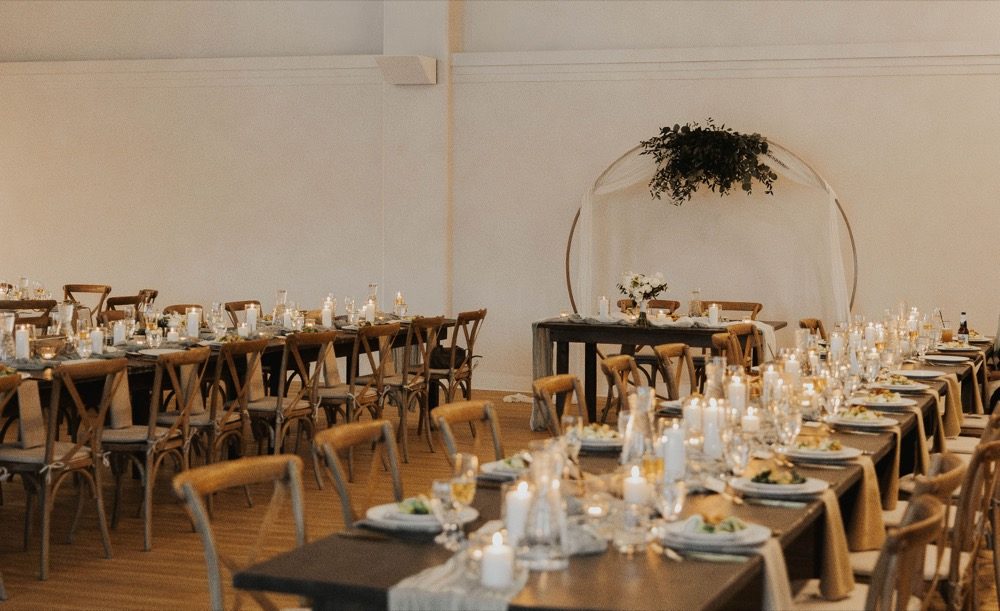
A small wedding venue can create a celebration that feels personal, comfortable, and easier to manage. The key is to plan around the room’s actual capacity, movement patterns, lighting, sound, and seasonal conditions rather than trying to recreate a large reception in a smaller footprint.
What makes a small wedding venue work well?
A small venue works best when every part of the celebration has a clear purpose. Guest seating, dining, dancing, photography, gifts, and food service should be arranged so they support one another instead of competing for the same space.
Before choosing a layout, ask:
- How many guests can sit comfortably at once?
- Is there room for people to move between tables?
- Will food, gifts, coats, and personal belongings need separate areas?
- Can music be heard without making conversation difficult?
- What happens if the ceremony and reception use the same room?
A smaller guest list does not automatically make a venue functional. A room may technically hold a certain number of people but feel crowded once tables, chairs, a bar or beverage station, a buffet, a dance area, and photography equipment are added.
Comfortable circulation often matters more than fitting in additional seats.
How should tables and chairs be arranged?
Use the simplest layout that supports conversation and movement. Round tables can encourage interaction, while long tables may use floor space more efficiently. A combination of table shapes can also help define different areas without adding walls or bulky furniture.
Leave clear paths to:
- Restrooms
- Entrances and exits
- Food and beverage stations
- The ceremony area
- Outdoor spaces, if available
Avoid placing chairs directly against walls when guests may need to stand, move coats, or pull chairs out. A narrow aisle can become difficult to use once people are seated, especially for older guests, children, or anyone using mobility equipment.
A sweetheart table or small head table may open up more space than a large wedding party table. It can also reduce the number of chairs needed at the front of the room, creating a clearer view for guests.
Can a small venue host both the ceremony and reception?
Yes. A shared-space ceremony and reception can work well if the room is designed for a quick and organized transition. The ceremony layout should not require extensive furniture movement afterward.
Helpful approaches include:
- Placing ceremony chairs in rows that can be adjusted into dining tables
- Using a short ceremony setup with minimal décor
- Positioning the ceremony area near a wall or corner rather than in the center of the room
- Preparing dining tables in an adjacent room or covered outdoor area, if available
- Assigning specific people to move chairs and décor during a planned transition
The transition should be treated as part of the schedule. Guests need a place to go while the room changes, such as a patio, foyer, lounge, or refreshment area. Without a transition plan, a short room reset can create delays and make guests feel as though they are waiting in the way.
How can décor make a small space feel larger?
In a small venue, décor should add definition without blocking sightlines or movement. Tall arrangements may look attractive but can obstruct conversation if they are placed in the center of dining tables. Low floral arrangements, compact greenery, and candles can provide visual interest while preserving visibility.
A few design choices can have a noticeable effect:
- Use one consistent color palette rather than many competing accents.
- Choose lighter fabrics or reflective surfaces if the room feels dark.
- Hang décor only where it does not reduce ceiling clearance or interfere with lighting.
- Use mirrors carefully to reflect light, not clutter.
- Keep signs and decorative displays close to walls or entry points.
- Select furniture that can serve more than one purpose.
Lighting is especially valuable in a smaller room. Warm, adjustable lighting can make the space feel inviting, while bright overhead lighting may make it feel more crowded. Candles should be used only where permitted and placed securely away from fabric, paper, and high-traffic areas.
How should food and drinks be handled?
Food service can affect the room more than almost any other reception detail. A buffet placed near the entrance may create a line that blocks arriving guests. A beverage station located beside the dance floor can cause congestion during the busiest part of the evening.
Consider placing food and drinks along a wall or in a separate room. If the venue has limited space, a served meal may create less crowding than a buffet. For a buffet, use a single-direction line and place plates, food, utensils, and napkins in an order that keeps people moving.
Small celebrations may also benefit from a limited beverage selection. Fewer options can reduce the space needed for storage, service, glassware, and waste containers. Water should remain easy to find, particularly during warm-weather events or active dancing.
Any food setup should account for temperature control, handwashing, allergy communication, and safe separation between guests and hot equipment.
What should couples consider about Rochester’s seasons?
Rochester, NY has four distinct seasons, so weather planning should be part of the venue decision even for an indoor celebration. Winter conditions can affect travel, parking, coats, footwear, and the time guests need to enter the building. Snow and wet pavement can also create slippery areas near doors.
Spring and fall may bring temperature changes that make an indoor-outdoor plan less predictable. Summer gatherings require attention to ventilation, shade, hydration, and the comfort of guests in formal clothing.
Useful planning questions include:
- Is there enough coat storage during cold-weather events?
- Can wet umbrellas and shoes be kept away from guest seating?
- Are entrances well lit after dark?
- Is there a sheltered area for guests moving between indoor and outdoor spaces?
- Can windows, fans, or climate controls keep the room comfortable?
- What is the backup plan if outdoor photographs or activities are not practical?
A small venue often makes weather-related problems more noticeable because guests may gather in one concentrated area. Entry and exit plans deserve the same attention as table décor.
How can sound and entertainment be managed?
Sound travels differently in a small room than in a large hall. Music that seems moderate near the speakers may feel overwhelming at the nearest tables. Place speakers so sound is distributed across the room instead of directed at a single seating area.
A smaller venue usually needs less equipment, not necessarily louder equipment. Keep speakers away from walls and corners when possible, and avoid placing them beside dining tables. If speeches are planned, test the microphone from several seats before guests arrive.
Entertainment does not have to depend on a large dance floor. A smaller area can support dancing while leaving room for conversation. If dancing is not a priority, the space may be used for a lounge, dessert table, family seating, or additional circulation.
What details are easy to overlook?
Small venues often require more attention to storage and timing than larger facilities. Confirm where personal items, gifts, cards, extra chairs, décor boxes, cleaning supplies, and vendor equipment will go before the event begins.
Also plan for:
- A private place for the couple to pause or change
- A clear location for cards and gifts
- Accessible seating and routes
- Restroom access without crossing the main dance or dining area
- Safe placement of cords and equipment
- A quiet area for guests who need a break from music
- A realistic cleanup and departure schedule
A small guest list does not eliminate logistical work. It makes the details more visible, which can be an advantage when the plan is deliberate.
The most successful small wedding venues feel comfortable because the layout respects how people actually move, talk, eat, and gather. A focused guest list, flexible room arrangement, controlled décor, and a dependable weather plan can create an event that feels full without feeling crowded.