

 See My Latest Article on HelloNation
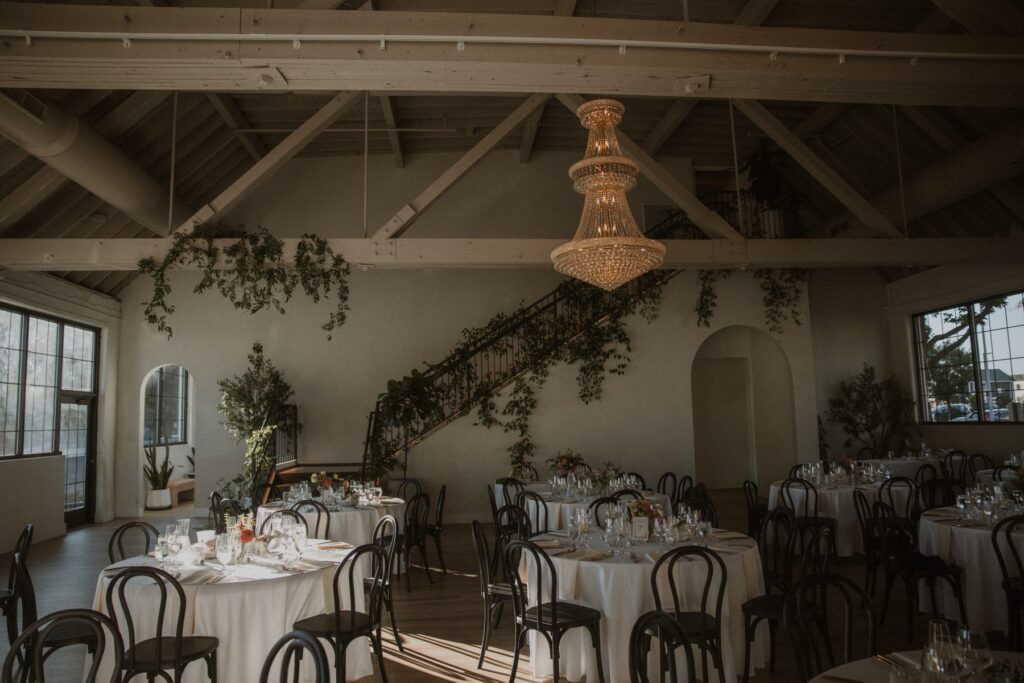
A wedding venue can feel connected to its community without looking themed or overly decorated. In Rochester, NY, couples can draw from regional food traditions, seasonal landscapes, architectural character, arts culture, and family history to create a setting that feels personal and locally grounded.
The most successful approach is selective. A few meaningful details usually communicate place more effectively than covering every table with local references.
What does local culture mean in wedding décor?
Local culture includes the traditions, materials, landscapes, stories, and everyday habits that help define a community. For a wedding, that might include seasonal flowers associated with the region, references to the area’s waterways and parks, locally familiar foods, or design details inspired by historic neighborhoods and older homes.
Local influence does not need to be literal. A table arrangement inspired by autumn foliage, a menu featuring regional ingredients, or stationery with a subtle architectural pattern may feel more natural than using obvious symbols throughout the venue.
A useful test is whether the detail has a genuine connection to the couple or the community. If it does, it is more likely to feel thoughtful rather than decorative for its own sake.
How can Rochester’s seasons influence the design?
Seasonal planning is one of the easiest ways to make a wedding feel connected to the area. Rochester experiences distinct seasonal changes, and those shifts can affect color, flowers, lighting, guest comfort, and venue layout.
For a spring wedding, consider:
- Soft greens, flowering branches, tulips, or other seasonal blooms
- Light fabrics and translucent paper goods
- Fresh, bright colors balanced with neutral linens
- Covered outdoor areas in case of cool temperatures or rain
Summer décor can reflect long daylight hours and outdoor gathering habits. Potted herbs, garden-inspired centerpieces, simple linen textures, and natural wood accents can suit a tented or indoor setting. Shade, hydration stations, and insect protection may be more practical than elaborate decorations if guests will spend significant time outside.
Autumn offers strong regional color without requiring a rustic theme. Deep greens, burgundy, copper, amber, and muted blue can echo the changing landscape. Branches, pears, apples, dried grasses, and textured fabric may provide seasonal interest while remaining suitable for a formal venue.
Winter celebrations benefit from warmth and contrast. Candlelight, wool or velvet accents, evergreen branches, paper stars, and darker tones can make an indoor space feel inviting. Since snow and ice may affect travel, entrances should remain clear, dry, and easy to navigate.
Can local landscapes be represented without becoming too literal?
Yes. Natural references work best when they are translated into color, texture, shape, or atmosphere rather than copied directly.
The region’s waterways, parks, wooded areas, and changing shoreline can inspire:
- Blue-gray, sage, moss, or sand-colored palettes
- Rippled glass, flowing table runners, or curved arrangements
- Botanical illustrations on menus or ceremony programs
- Natural stone, reclaimed wood, or woven materials
- Layered lighting that suggests sunset or reflected water
A couple might use a restrained palette of slate blue, ivory, and green instead of placing water imagery on every sign. Another option is to choose one landscape-related feature, such as illustrated escort cards or a watercolor table plan, and keep the rest of the décor simple.
This approach preserves elegance while still giving guests a sense of place.
How can architecture and older homes guide venue styling?
Many wedding venues in the area occupy buildings with existing character, including older homes, renovated industrial spaces, barns, and civic or cultural structures. The building itself should influence the décor rather than be hidden beneath it.
For a venue with historic details, décor can emphasize:
- Original woodwork or exposed beams
- Tall windows and natural light
- Brick, plaster, stone, or patterned floors
- Staircases, fireplaces, or built-in shelving
- Traditional room proportions and sightlines
Avoid placing large arrangements in front of features that give the room its identity. Instead, use lower centerpieces, lighting, or narrow installations that frame architectural details.
A more modern space may benefit from references to local history through paper goods, table numbers, family photographs, or vintage-inspired typography. The goal is not to recreate a particular period, but to let the venue’s existing structure remain visible.
What local food traditions can become part of the décor?
Food can express local identity, but it should be approached with accuracy and moderation. Rather than turning the reception into a regional showcase, couples can incorporate one or two familiar food traditions into the overall experience.
Examples include:
- A dessert table featuring seasonal fruit
- Locally familiar comfort foods served during a late-night meal
- A signature drink using regional ingredients
- Small menu notes explaining the connection between a dish and the couple’s family history
- Farm-inspired presentation using baskets, wooden boards, or ceramic serving pieces
Food presentation also contributes to décor. A dessert display with simple labels, coordinated trays, and seasonal garnish can become part of the room’s visual design.
It is wise to account for dietary needs, allergies, and guest preferences. A local reference should add interest, not limit the menu or make some guests feel excluded.
How can arts and craft traditions be included respectfully?
The area’s arts culture can appear through original artwork, handmade paper, ceramics, textiles, or custom illustrations. These elements do not need to dominate the room.
Consider using:
- Hand-drawn venue illustrations on invitations or programs
- Handmade ceramic vessels for centerpieces
- Textile runners or napkins with subtle regional color
- Guest-book pages designed like a small gallery catalog
- Table numbers inspired by local artistic techniques
If an artist or craftsperson contributes original work, the couple should clarify permission, payment, ownership, and whether the work may be photographed or reproduced. A handmade element should be credited when appropriate, especially if guests may ask about its origin.
Avoid treating cultural traditions as visual motifs without understanding their meaning. Décor should reflect a real connection, not borrow sacred, ceremonial, or community-specific symbols simply because they look attractive.
What should couples consider in a local venue’s practical layout?
Décor must work with the venue’s conditions. Rochester’s weather can change quickly, so outdoor plans need a realistic indoor or covered alternative. Heavy arrangements may become unstable in wind, while candles and paper goods can be affected by moisture.
Before finalizing the design, check:
- Whether the venue permits open flames, hanging décor, or adhesives
- How decorations will be secured in outdoor areas
- Whether winter coats and umbrellas require a designated space
- If power is available for lighting or sound-related décor
- How guests will move between ceremony, cocktail hour, and reception
- Whether floral installations block exits, ramps, or required pathways
The most attractive design is still unsuccessful if it creates congestion or interferes with safety requirements. Décor should support movement through the venue, especially for older guests, children, and anyone using mobility equipment.
How much local influence is enough?
There is no fixed amount, but restraint usually produces a stronger result. Choose two or three local influences that relate to the couple’s story, then repeat them consistently through color, texture, food, paper goods, or floral design.
For example, a couple might combine:
- A seasonal palette drawn from the surrounding landscape
- A menu item connected to family gatherings
- Stationery featuring a simplified illustration of the venue
These details create a coherent sense of place without making the reception feel like an exhibit. Guests may not identify every reference, but they can still feel that the setting belongs to the couple and the community.
The most meaningful local décor often works quietly: a familiar seasonal color, a family recipe, a handmade object, or a room arranged to highlight the character already present in the venue.