

 See My Latest Article on HelloNation
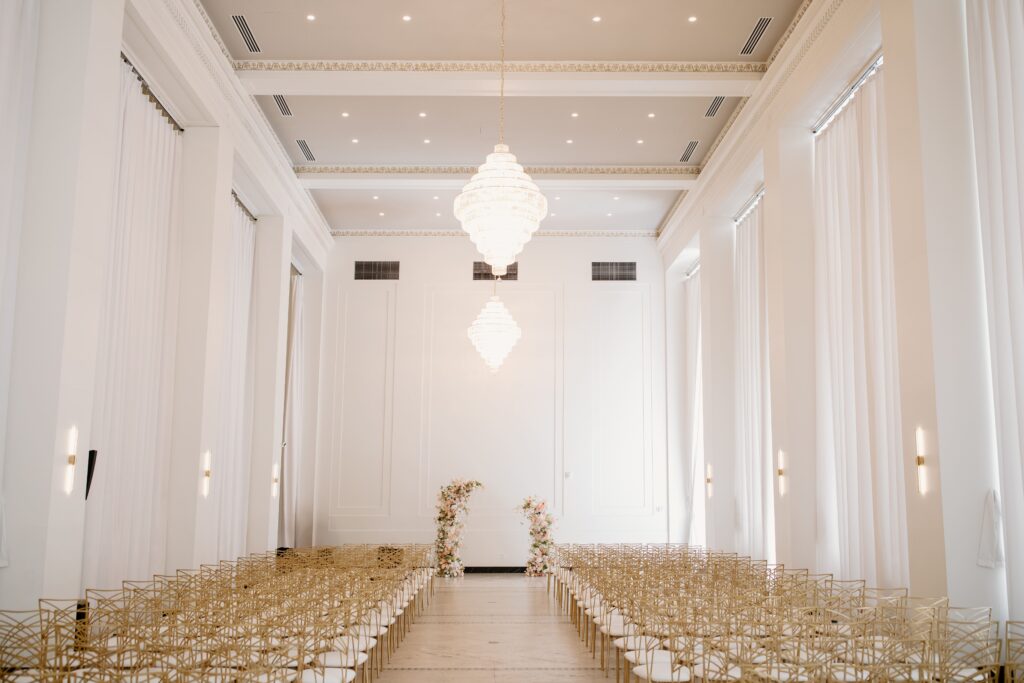
Why Choose a Historic Venue for Your Wedding?
Historic venues offer unique character and a sense of enduring legacy that modern spaces often can’t match. Couples in Rochester, NY, frequently select these locations for their distinctive architecture, beautiful grounds, and the opportunity to celebrate in a place with a story. Residents often appreciate the way these buildings connect personal milestones to the broader heritage of the community.
What Kinds of Historic Venues Are Available Locally?
Rochester features a variety of historic properties suitable for wedding celebrations. Options may include stately mansions, restored estates, elegant ballrooms, public buildings, and museums with event spaces. The defining characteristics often include period architecture, landscaped gardens, decorative interiors, and features like original hardwood floors or grand staircases.
Because these venues were not originally designed for modern events, it’s common for couples to encounter setting-specific quirks such as smaller rooms, antique furnishings, or decorative restrictions. These features contribute to the overall ambiance but sometimes require extra planning.
What Restrictions or Rules Might Apply?
Most historic venues in Rochester operate under strict guidelines to protect their structures and artifacts. Commonly, residents may be asked to:
- Limit decorations to avoid damage (no nails, tacks, or tape)
- Use only dripless candles, or opt for LED lighting
- Keep food and drink in specified areas
- Refrain from rearranging or moving historic furniture
- Accept restrictions on open flames, confetti, or signage
Venue staff typically review all plans before the event. Sometimes access to upper floors or certain rooms is restricted entirely to prevent wear and accidental damage.
How Does Planning Differ from Weddings in Contemporary Spaces?
An event in a historic building usually requires more up-front conversation about logistics. Couples may be surprised by the need to:
- Coordinate closely with venue staff or guidelines for setup and cleanup
- Work with rental companies that can accommodate unusual room layouts or limited elevator access
- Account for time limits due to noise ordinances or neighborhood regulations
Some venues maintain detailed policies about music levels and event end times, especially if they operate in residential neighborhoods, which is common in the city’s older districts.
What Accessibility Concerns Should Couples Be Aware Of?
Accessibility can vary widely across historic locations. While some venues have made updates including ramps or elevators, many still feature stairs, narrow hallways, or less-accessible restrooms. Couples planning local weddings should:
- Ask early about accommodations for guests with mobility needs
- Request seating layouts that provide sufficient room for wheelchairs
- Plan for the possibility of outdoor paths or uneven surfaces, particularly in gardens or courtyards
It’s sometimes necessary to arrange creative solutions—like temporary ramps or extra ushering—for guests with limited mobility.
Are There Seasonal Considerations for Historic Venues?
Rochester’s climate brings particular seasonal challenges and advantages. Older buildings may be drafty in late fall or winter, so it’s helpful to:
- Confirm heating and cooling systems are adequate for planned guest counts
- Ask about recent upgrades or available space heaters/fans
- Ensure there’s a comfortable indoor alternative if booking a venue with outdoor spaces in early spring or late autumn

Lush grounds and blooming gardens can be a highlight of weddings held in late spring through early fall, but outdoor ceremonies may need backup plans due to unpredictable weather.
Can Couples Bring in Their Own Vendors?
Historic venues often have approved or preferred vendor lists—especially for catering, floral arrangements, or décor. This protects both the property and the event’s flow. Residents should expect to:
- Verify if outside vendors are allowed and under what terms
- Share any guidelines (such as floor protection or specific setup times) with their vendor team well in advance
- Understand that unscheduled vendor deliveries or pickups may not be possible if the venue is tightly booked
What Paperwork and Insurance Are Needed?
Holding an event at a site recognized for its historical value may require some extra paperwork:
- Couples can expect to sign contracts specifying acceptable behavior, decoration rules, and timelines
- Liability insurance is frequently required to protect both the hosts and the venue
- Depending on the size and nature of the event, permits for amplified music, tents, or alcohol service may be needed
Staff at most locations are familiar with these requirements and can clarify details during planning.
How Can Local Couples Personalize a Historic Space While Preserving Its Character?
Personalization is still very possible in a historic setting, even with extra rules. Popular, respectful approaches include:
- Using floral arrangements, candles (or flameless alternatives), and table linens that complement the venue’s décor
- Creating custom signage or escort cards that use colors and fonts inspired by the building’s period
- Incorporating elements of Rochester’s heritage or family history into readings, toasts, or favors
Asking permission before adding any decorative elements helps ensure the site remains undamaged and beautiful for future celebrations.